


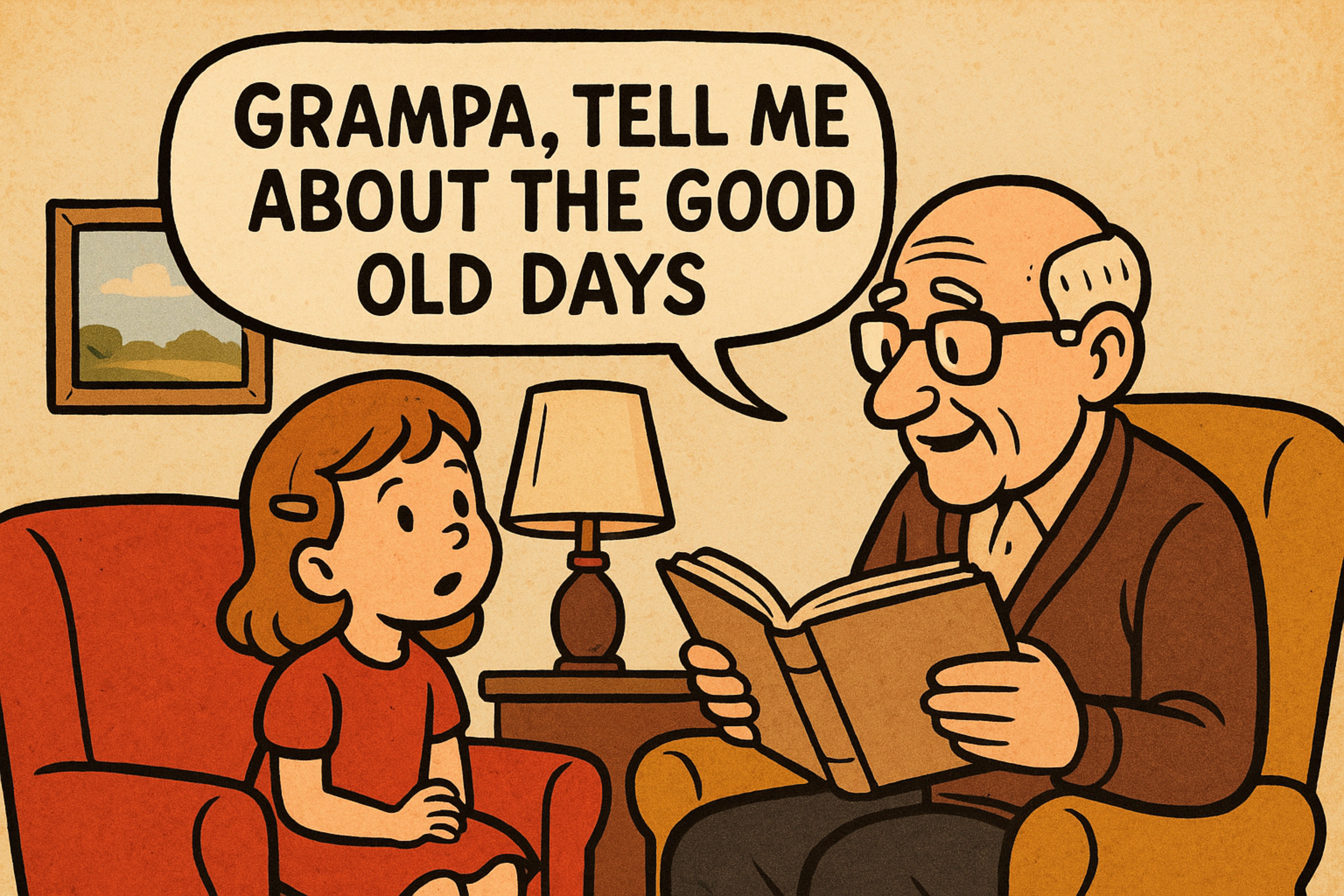
Each generation says it works for the next, saving and building with hopes for a better future. But with climate, infrastructure, and our social fabric, we often mistake quick fixes for real, lasting investments. Too often, ‘growth’ just means leaving problems for those who come after us instead of creating real value.
Generational investment means making sure the world will work for those who come after us.
Our grandparents understood this without being told. After World War II, countries put money into public institutions, energy systems, and social safety nets built to last. They didn’t just rebuild, they made sure the future was secure. Taking on debt was fine if it meant building highways, universities, and health systems that still help us today.
But somewhere along the way, we lost our sense of direction. Today, politics and business care more about quick results and election cycles than the long term. We back industries that make climate change worse, put off fixing infrastructure, and see education and healthcare as expenses to cut instead of essentials to support. We act like short-term caretakers for a planet that needs us to think ahead.
Now we’re seeing the results: higher sea levels, old bridges falling apart, housing that’s too expensive, and rising health and pension costs. The real problem isn’t money; it is a lack of imagination. Governments see investment as just spending, putting billions into defense, tax cuts, and bailouts, while ignoring the systems that keep society strong. On paper, we look richer, but we’re actually less stable.
Generational investment means putting resources into things that will support life, opportunity, and dignity for the future. The best returns come from a healthy society over time. Investing in climate adaptation, renewable energy, affordable housing, and education helps build a better tomorrow.
Think about public spending: The world allocates over US$2 trillion annually to military budgets, much of it for wars that may never happen. Meanwhile, the UN states that switching to clean energy would cost about half that amount each year. Which is the real defense budget, the one for war or the one that safeguards life-support systems?
Take Canada as an example. The government has spent tens of billions on carbon capture and fossil fuel infrastructure, yet it still misses its emission targets. Even investing partly in renewables, public transit, and climate adaptation would help future generations—not just by growing the economy, but by preventing disasters.
It also means making cities accessible for everyone, building flexible education systems, treating healthcare as a basic need, and realizing that any kind of inequality weakens our economy.
We’ve seen this kind of approach before. The Green New Deal, the European Green Deal, and Canada’s clean-tech programs are examples of bold public investments like those after the war. The real challenge is sticking with them; these programs need to grow and last, not just give a short-term boost.
Some argue that spending on the future is irresponsible and too expensive. But that doesn’t add up. We’re already paying for doing nothing; the cost of climate disasters has gone up ten times since the 1980s. Waiting to fix infrastructure just makes repairs cost more later. Not funding education leads to lower productivity, more inequality, and less tax revenue down the road. In short, not investing is the most expensive option.
The private sector is adapting. Pension funds, insurers, and investors consider long-term climate risks. Companies view sustainability as essential, not just a trend. However, governments remain stuck in short election cycles and worry about deficits, even when these deficits support systems that sustain the economy.
Generational investment takes courage. It means planting trees whose shade we may never enjoy, taxing pollution instead of work, investing in prevention instead of cleanup, and measuring success by how resilient we are, not just by growth.
Most importantly, we need to rethink what prosperity really means. If we leave our children with a damaged climate, broken infrastructure, and housing they can’t afford, we aren’t truly prosperous. Real prosperity is about continuity; the chance to pass down not just wealth, but real choices.
If the 20th century was about building bigger economies, the 21st century should be about creating economies that help us survive. The next generation will live with the decisions we make. They deserve more than promises. They deserve real opportunities.
Generational investment is a strategy, not charity. It turns today’s spending into tomorrow’s stability and resilience. It gives us a clear purpose: to build the future, not just take from it.
If we want to be remembered as good ancestors, not careless heirs, now is the time to act. Each of us can support policies that focus on long-term investments, ask our leaders to act for future generations, and make choices that support sustainable systems. The cost of doing nothing keeps rising. The real question isn’t whether we can afford to invest in the future; it is whether we can afford not to.